

Are you planning to incorporate pruning sessions into your trees’ maintenance routines? As the crew people trust for tailored tree services in Bakersfield, CA, we at General Tree Service, Inc. have encountered many tree pruning mistakes from well-intentioned but inexperienced property owners. Learn more about them here before you make the first cut.
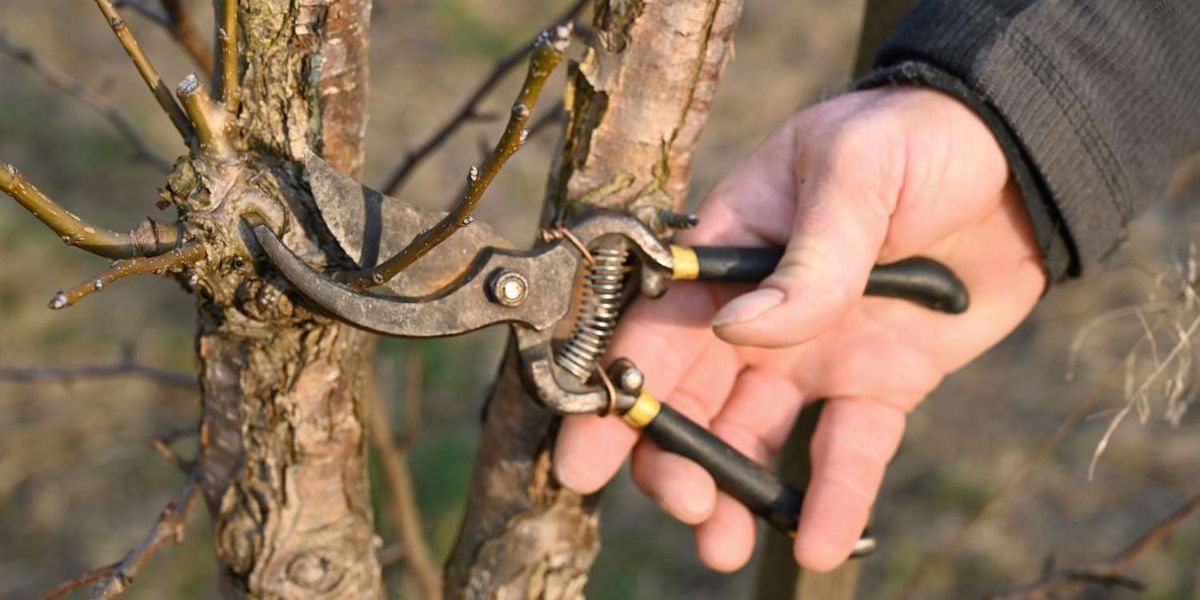
Why Prune Your Trees in the First Place?
When done correctly, tree pruning brings many worthwhile advantages, including:
- Removing problematic crossing or co-dominant limbs for healthy future growth
- Enhancing the tree’s natural shape and structure
- Removing dead or diseased branches that pose safety hazards
- Preventing the spread of infections or infestations to nearby trees
- Minimizing pathogenic activity by increasing sunlight and air circulation
- Encouraging fruit or flower production
Common Pruning Errors in Tree Care
The last thing you want is your specimen’s health to suffer due to some easily avoidable mistakes. Guarantee the success of your future pruning sessions by watching out for the following.
Removing Too Much at Once
It’s tempting to go all in and remove as many branches as possible in one session for efficiency, but this can stress the tree. Since trees rely on their canopy to convert sunlight into energy, over-pruning will negatively impact their growth and vitality. In general, you should avoid removing more than 25% of the tree’s foliage in a single go.
Cutting at the Wrong Place
Pruning flush to the trunk, in the area called the branch collar, may interrupt the tree’s natural healing process. This part contains the chemically protective cells needed to seal off wounds and trigger the growth of callus tissue.
Leaving a long stub behind can also lead to rot, as the tree won’t be able to properly close over the cut. Always aim for a clean cut just outside the collar to help the tree seal the wound naturally.
Using Poorly Maintained Tools
Blunt or contaminated pruners and saws often leave ragged, slow-healing cuts and introduce harmful pathogens into the tree. Invest in high-quality equipment and keep everything sharp. Don’t forget to clean everything after each use using a disinfectant like rubbing alcohol.
Topping Your Tree
Cutting off all of a tree’s main branches or top canopy to reduce its height, also known as “topping,” does more harm than good. This practice often leads to weak, unstable branches and unnatural growth patterns. Opt instead for strategic crown reduction methods that maintain the tree’s structural integrity.
Skipping Seasonal Timing
Pruning schedules aren’t one-size-fits-all. For most species, late winter is ideal, but flowering trees often have their own schedules dictated by bloom cycles. Research your tree’s preferences before picking up the pruners to maximize growth and flowering potential.
Avoiding Improper Tree Pruning Techniques and Their Effects
Knowing the tree pruning mistakes that harm tree health is a good start, but if you want your first sessions to go smoothly, why not leave it to the professionals? At General Tree Service, Inc., we can provide tailored maintenance to unlock your living landscape’s full potential.
Contact us today or read our tree trimming vs. pruning guide for more useful information.


